
 Dr. Motiwala
 Oct 14, 2025
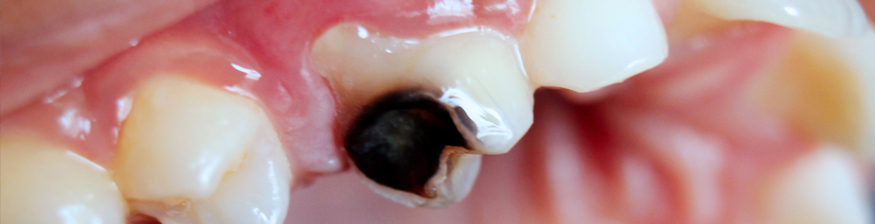
For more than a century, dental caries have been treated rather than prevented. Fillings, crowns, and root canals exist because decay has already done its damage. But what if cavities could be stopped before they ever begin? The idea of a cavity vaccine sounds futuristic, almost too good to be true. Yet, researchers around the world are seriously exploring immunological approaches to prevent tooth decay. What once belonged to science fiction is now entering scientific debate, and the implications for dentistry could be profound.
Cavities are not simply holes caused by sugar. They are the result of a complex interaction between bacteria, diet, saliva, and the immune system. Certain bacteria, particularly Streptococcus mutans, play a major role by producing acids that weaken enamel. Over time, repeated acid attacks lead to mineral loss and structural breakdown of the tooth.
Traditional dentistry focuses on controlling this process mechanically and chemically through brushing, fluoride, and restorations. A vaccine-based approach aims to intervene earlier, by training the immune system to limit the activity or colonization of harmful bacteria in the mouth.
The concept behind a cavity vaccine is relatively straightforward. By stimulating the immune system to recognize specific proteins associated with decay-causing bacteria, the body could produce antibodies that reduce bacterial attachment to teeth. Without firm attachment, these bacteria would struggle to form plaque and generate acids.
Some experimental vaccines focus on mucosal immunity, meaning they aim to enhance immune defenses in saliva rather than the bloodstream. This makes sense because saliva is the first line of defense in the oral environment. If successful, such vaccines could reduce cavity risk significantly, especially in high-risk populations.
Animal studies and early human trials have shown encouraging results, with reduced bacterial counts and lower decay rates in controlled settings. However, translating these findings into a safe, effective, and widely usable vaccine is far from simple.
The oral microbiome is delicate. Not all bacteria in the mouth are harmful, and some play protective roles. A vaccine that targets one species too aggressively could disrupt this balance, potentially leading to other oral or systemic issues. Researchers must ensure that immunological intervention is precise, controlled, and reversible if necessary.
Another challenge lies in deciding who should receive such a vaccine and at what age. Cavities often begin in childhood, but the long-term effects of altering oral immunity early in life are still unknown. There are also ethical considerations about vaccinating against a disease that is largely preventable through lifestyle and hygiene.
Cost and accessibility would also influence adoption. If a cavity vaccine becomes available, it must be affordable and practical for widespread use, especially in regions where dental decay is most prevalent.
Even if a cavity vaccine becomes a reality, it will not replace dentists. Oral health is about more than bacteria alone. Tooth alignment, saliva quality, diet, genetics, and habits like grinding all influence long-term outcomes. Preventive care, regular examinations, and patient education will remain essential.
However, a successful vaccine could dramatically reduce the global burden of decay, shifting dentistry’s focus from repair to preservation. Dentists may spend less time drilling and more time monitoring, guiding, and enhancing overall oral health.
Until immunological prevention becomes clinically available, the fundamentals remain unchanged. Brushing with fluoride toothpaste, flossing, limiting sugar intake, and attending regular dental checkups are still the most effective tools against cavities.
The excitement around a cavity vaccine should not distract from these basics. Instead, it highlights how far dental science has come and how much further it aims to go.
The idea of a cavity vaccine sits at the intersection of imagination and innovation. It is no longer pure science fiction, but it is not yet a clinical reality. Ongoing research continues to refine targets, delivery methods, and safety profiles.
Whether or not a cavity vaccine becomes part of everyday dental care, its development reflects a broader shift in dentistry toward biological prevention rather than mechanical repair. That shift alone is a sign of progress, reminding us that the future of oral health may look very different from its past.
 |
 |
 |
For more information about the Smile Makeover in India, get in touch with Dr. Motiwala’s Dental Clinic & Implant Center at +91 99596 14584. Simply fill out the form on our CONTACT US page.


We have 100s of HAPPY ENDINGS to share with you.