
 Dr. Motiwala
 Jan 14, 2026
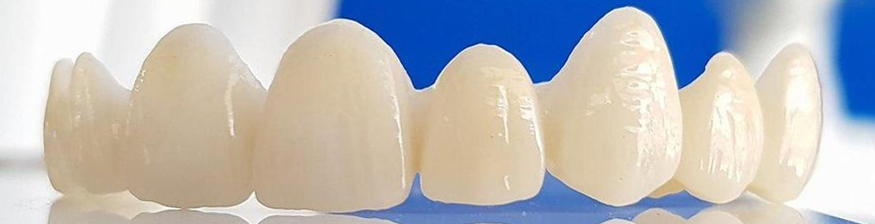
For decades, the goal of restorative dentistry has been simple yet ambitious: replace lost or damaged teeth with something that looks natural, feels comfortable, and lasts a lifetime. Zirconia crowns have brought dentistry closer to that ideal than ever before. Strong, biocompatible, and remarkably aesthetic, zirconia crowns have already changed how we think about long-term dental restorations. Now, a new concept is quietly gaining attention in research circles—the idea of the “living crown,” where future zirconia crowns may actively integrate with gum tissue rather than merely sitting against it.
Zirconia crowns earned their reputation because they solved many of the problems associated with older materials. Unlike metal-based restorations, zirconia does not trigger dark gum lines or allergic reactions. Unlike traditional porcelain, it resists chipping and fracture even under heavy bite forces. Most importantly, zirconia crowns are highly biocompatible, meaning the body generally accepts them without inflammation or rejection.
This natural compatibility laid the foundation for deeper innovation. Dentists began noticing that gums often responded more favorably to zirconia crowns compared to other materials. In many patients, gum tissue appeared healthier, tighter, and less prone to inflammation around zirconia-based restorations. These observations sparked a new question: if zirconia is already friendly to soft tissue, could it one day interact with it on a biological level?
The living crown concept does not mean zirconia will literally grow or regenerate like natural tissue. Instead, it refers to the possibility that future zirconia crowns could be engineered to encourage better gum attachment, reduce bacterial colonization, and maintain long-term tissue stability. Researchers are exploring surface modifications at the microscopic level that could help gum cells adhere more naturally to zirconia surfaces.
Current zirconia crowns are inert, meaning they do not react with surrounding tissue. Bioactive zirconia aims to go a step further by creating surfaces that actively support healthy gum behavior. If successful, this could dramatically reduce issues like gum recession, inflammation, and peri-implant disease.
The living crown concept becomes even more powerful when paired with advanced implant techniques. Basal implants, which anchor into strong cortical bone, already provide exceptional stability and long-term success. When combined with zirconia crowns, they create a metal-free, biologically harmonious system that closely mimics natural tooth structure.
Dr. Motiwala has been at the forefront of using basal implants with zirconia crowns to deliver predictable, long-lasting results. His experience treating patients from every corner of the world in his Hyderabad clinic demonstrates how well this combination works even today. As zirconia technology evolves, practitioners like him are ideally positioned to adopt bioactive advancements seamlessly.
One of the biggest challenges in implant dentistry is maintaining healthy gum tissue over time. Even perfectly placed restorations can fail if the surrounding tissue becomes inflamed or recedes. Future zirconia crowns may incorporate surface textures or coatings that discourage harmful bacteria while supporting beneficial cellular attachment.
This would mean fewer long-term complications, improved aesthetics, and a more natural feel for patients. The crown would no longer be just a replacement but a cooperative partner with the body’s tissues. For patients, this could translate into restorations that age more gracefully and require less intervention over decades.
It is important to distinguish between what is available today and what is still under investigation. Current zirconia crowns already offer excellent outcomes when designed and placed correctly. The living crown concept represents the next phase of refinement rather than a replacement of existing technology.
Clinicians like Dr. Motiwala emphasize that success still depends on proper diagnosis, implant selection, and prosthetic design. Technology enhances outcomes, but expertise determines success. As bioactive zirconia moves from research to reality, experienced practitioners will play a crucial role in translating innovation into real-world benefits.
The idea that zirconia crowns could one day integrate more deeply with gum tissue is both exciting and realistic. Dentistry has always evolved through small, meaningful improvements rather than sudden revolutions. The living crown concept fits that pattern perfectly.
With pioneers already achieving exceptional results using basal implants and zirconia crowns, the future looks promising. As science continues to blur the line between artificial and biological, patients may soon benefit from restorations that not only replace teeth but truly belong in the mouth.
 |
 |
 |
For more information about the Smile Makeover in India, get in touch with Dr. Motiwala’s Dental Clinic & Implant Center at +91 99596 14584. Simply fill out the form on our CONTACT US page.


We have 100s of HAPPY ENDINGS to share with you.